Attracting people into an industry is only part of addressing workforce challenges. Creating opportunities for workers to develop their skills, progress in their careers and remain in the workforce is equally important.
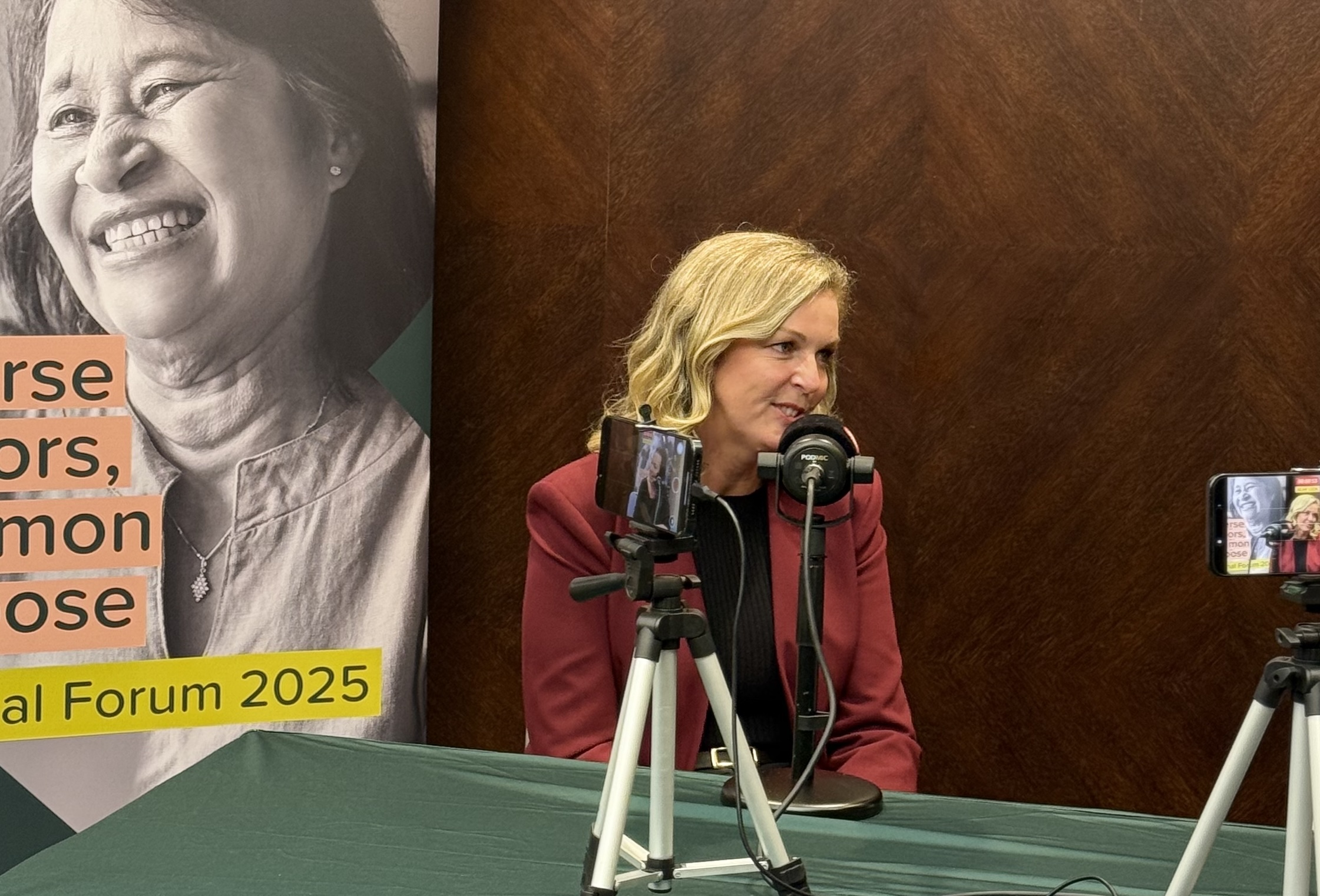
At the HumanAbility National Forum 2025, Service and Creative Skills Australia (SaCSA) CEO Natalie Turmine shared insights into the workforce challenges facing service and creative industries, and the importance of flexible training pathways that support both workers and employers.
Ms Turmine highlighted the similarities between the industries represented by SaCSA, including arts, personal services, tourism, hospitality, travel and retail, and those represented by HumanAbility.
Challenges such as insecure employment, unsocial working hours, pay and perceptions of limited career opportunities can influence whether people see an industry as a temporary job or a long term career.
While young people are entering service and creative industries, supporting them to develop their skills and progress into future leadership roles remains an important consideration.
Ms Turmine highlighted the value of traineeships and apprenticeships in connecting employment with structured learning and opportunities for career progression.
Flexible approaches to qualifications and training can also help workers build the skills they need while responding to the changing needs of industries.
“You don’t necessarily have to have a qualification to work in retail or hospitality or tourism, but you need skills,” Ms Turmine said.
The conversation explored SaCSA's work to modernise training packages, including approaches that support foundation skills and opportunities for specialisation through more flexible learning pathways.
Providing opportunities for people to learn while they work also requires investment from employers.
Ms Turmine reflected on the time, supervision and financial resources involved in taking on a trainee or apprentice, highlighting the importance of recognising and supporting employers' contributions to workforce development.
Rather than viewing financial assistance solely as an incentive, she encouraged consideration of the practical support employers need to invest in developing skilled workers.
Group training organisations can also play an important role, particularly in seasonal industries or where workers move between shorter periods of employment, by helping maintain continuity in employment and training.
Earn while you learn pathways can create valuable opportunities for people to develop skills while earning an income, but they must be supported by appropriate conditions.
Ms Turmine emphasised the importance of paid access to training, appropriate time away from work to undertake learning and safeguards to protect learners from exploitation.
Supporting employers and ensuring positive outcomes for learners are both essential to building effective training pathways.
The conversation reinforced the importance of flexible, accessible skills development in supporting workforce retention, creating opportunities for career progression and helping industries build the skilled workforces they need.
Continue the conversation at the HumanAbility National Forum 2026
What will it take to build workforce pathways that support people to enter, stay and progress in their careers?
Join leaders from industry, government, unions and education at the HumanAbility National Forum 2026 on 11 November in Sydney.
Under this year's theme, Connecting for Impact, we'll explore how collaboration can strengthen skills and training pathways and help address shared workforce challenges.
Register for the HumanAbility National Forum 2026